
One Meaningful Moment Is Enough for a Good Day in Paris
Why I return to Palais-Royal every time I’m in the city

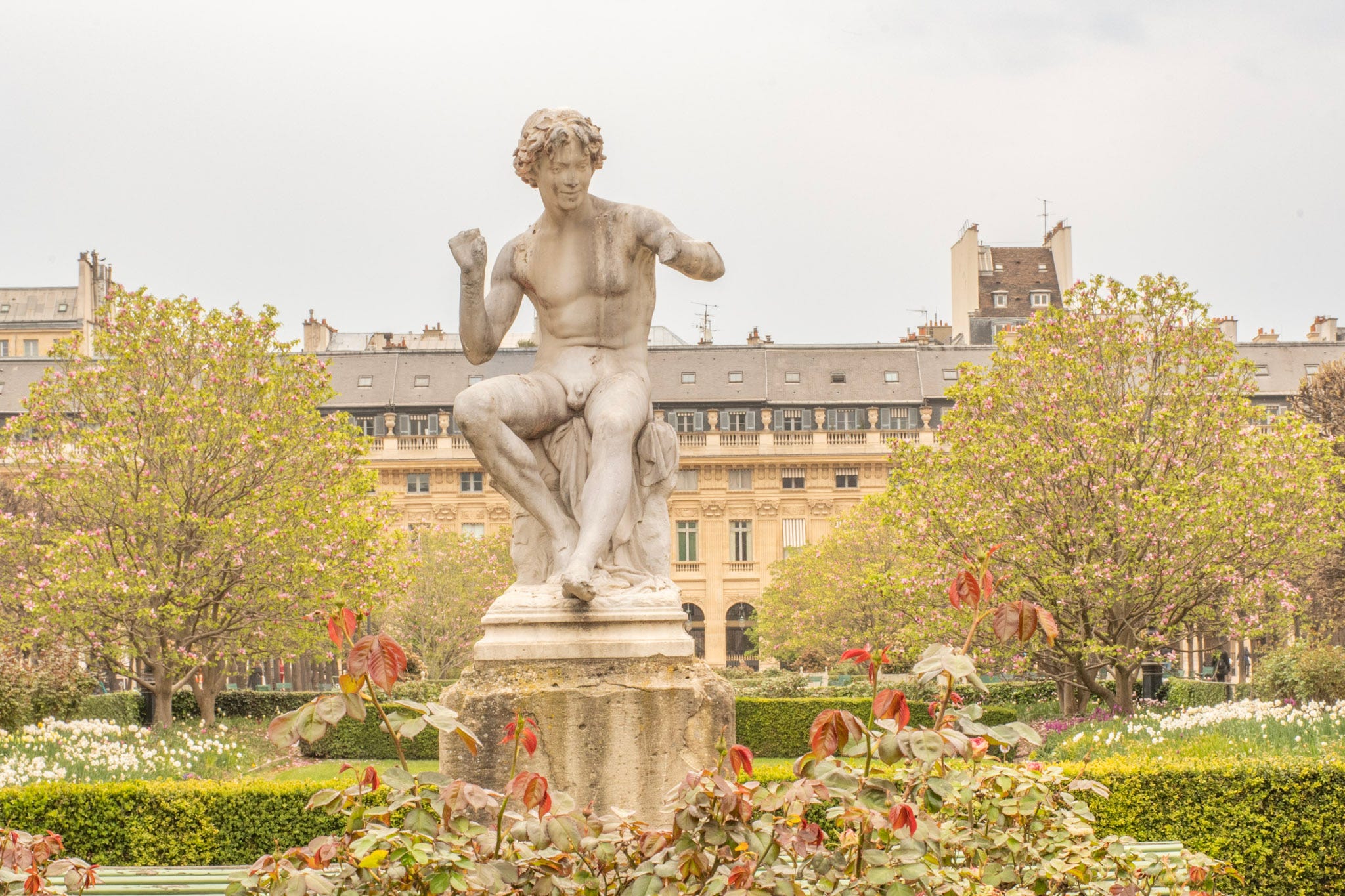
Some places in Paris ask you to keep moving. Palais-Royal does the opposite.
You enter through the arcades just steps from the busy streets around the Louvre, and suddenly the city softens. The noise fades. The pace changes.
I come here every time I’m in Paris.
Not because there’s one major thing to “see,” but because this place seems to invite a different way of experiencing the city. Slower. More observant. Less concerned with what comes next.
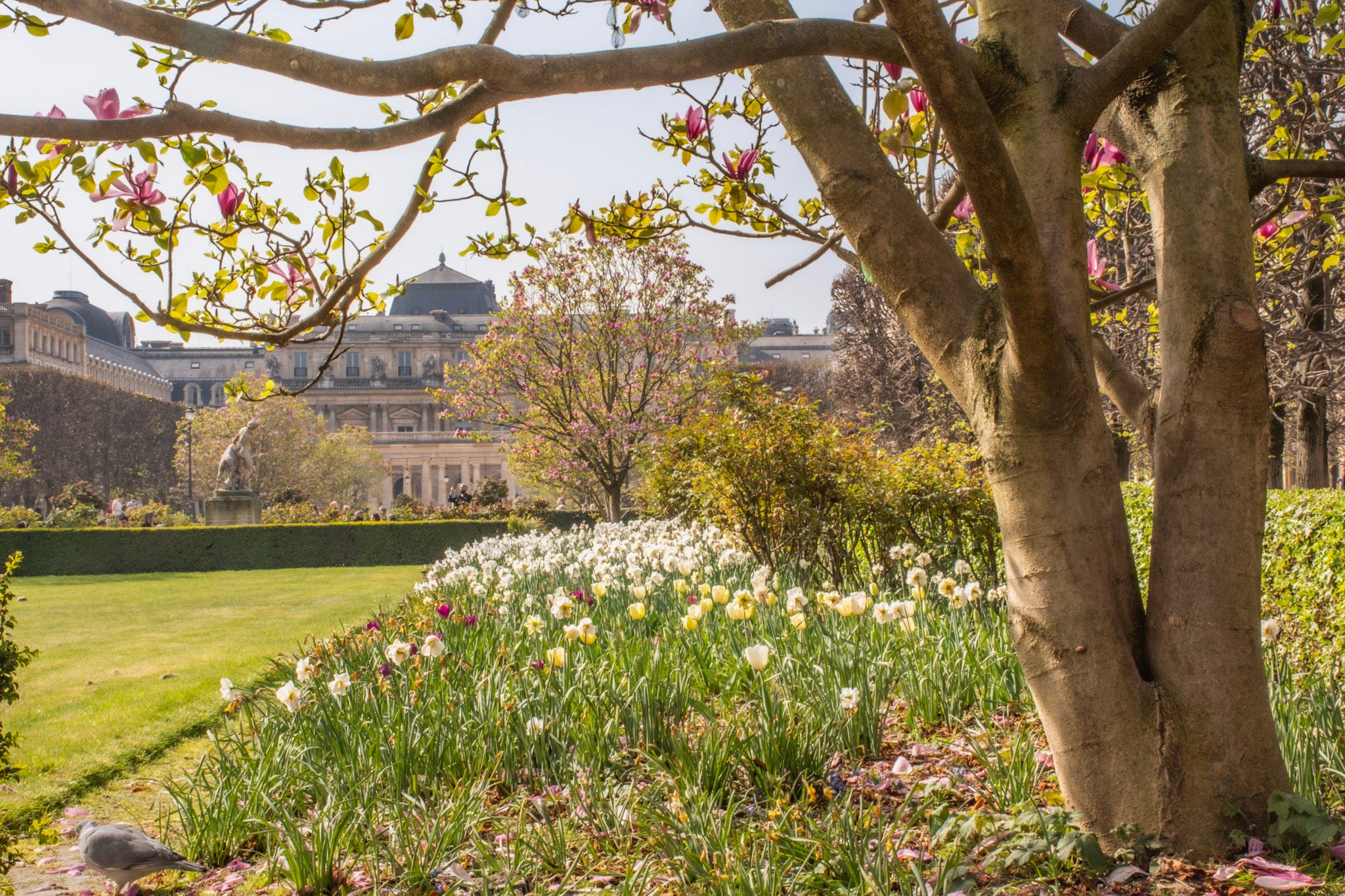
In spring, the gardens are especially beautiful. Yellow and white tulips spill around the fountain. Magnolia blossoms open above the neatly trimmed lime trees. Parisians stretch out in the green chairs, reading books, talking quietly, closing their eyes toward the sun as though they have nowhere else they need to be.
And honestly, that’s part of what I love most about Palais-Royal.
No one seems in a hurry here.
A Different Side of Paris
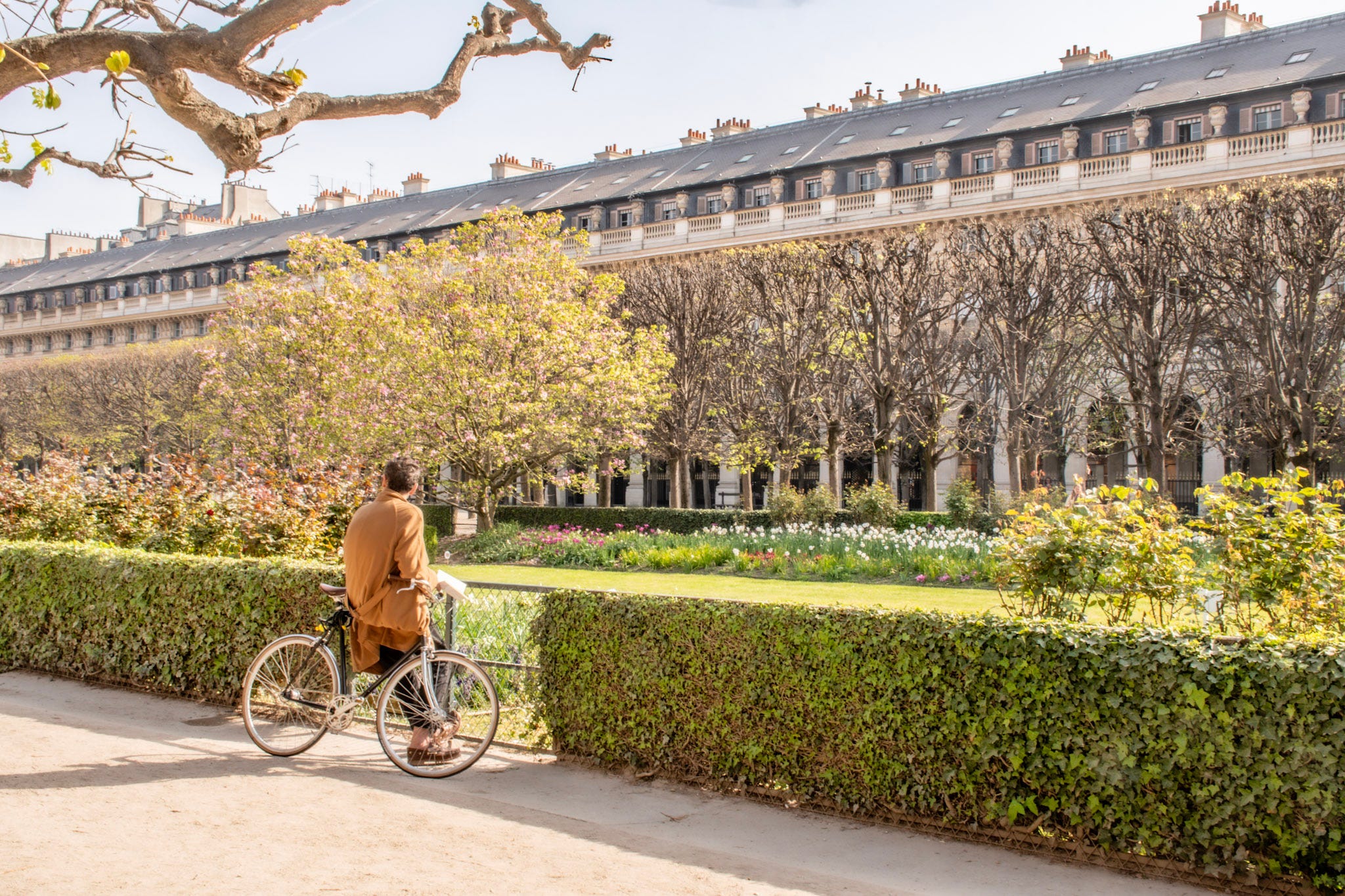
You can walk the gravel paths slowly. Browse the small shops tucked beneath the arcades. Sit for half an hour doing absolutely nothing except watching the fountain move beneath the Paris sky.
Somehow, in the middle of one of the busiest parts of Paris, it feels almost protected from it.
What I find fascinating is that Palais-Royal has always been this strange little world inside the city.
Long before it became the peaceful garden people know today, this was Palais-Cardinal, built for Cardinal Richelieu in the 1600s. Over the centuries, it became one of the social centers of Paris.
Once, the arcades were considered quite risqué, filled with gambling houses and cafés, which invited political debate and scandals.
Journalists and aristocrats argued here before the French Revolution. Taverns and brothels operated within the galleries. During the occupation years, raids swept through the apartments above the gardens while neighbours hid people inside crawl spaces and tiny concealed rooms.
And yet somehow, despite all of that history, what remains strongest today is the feeling of calm.
Colette’s Palais-Royal
Perhaps no one captured that feeling better than Colette, one of France’s celebrated writers.
She lived overlooking the gardens for years and wrote often about the clipped lime trees, the fountains after the rain, the fragrance that lingered into autumn, and the way Palais-Royal seemed to contain an entire world within itself.
She once described it as unlike anywhere else in Europe. Not London. Not Vienna. Not Madrid.
I think she was right.
There’s nowhere in Paris that feels quite like this.
Wandering Beneath the Arcades
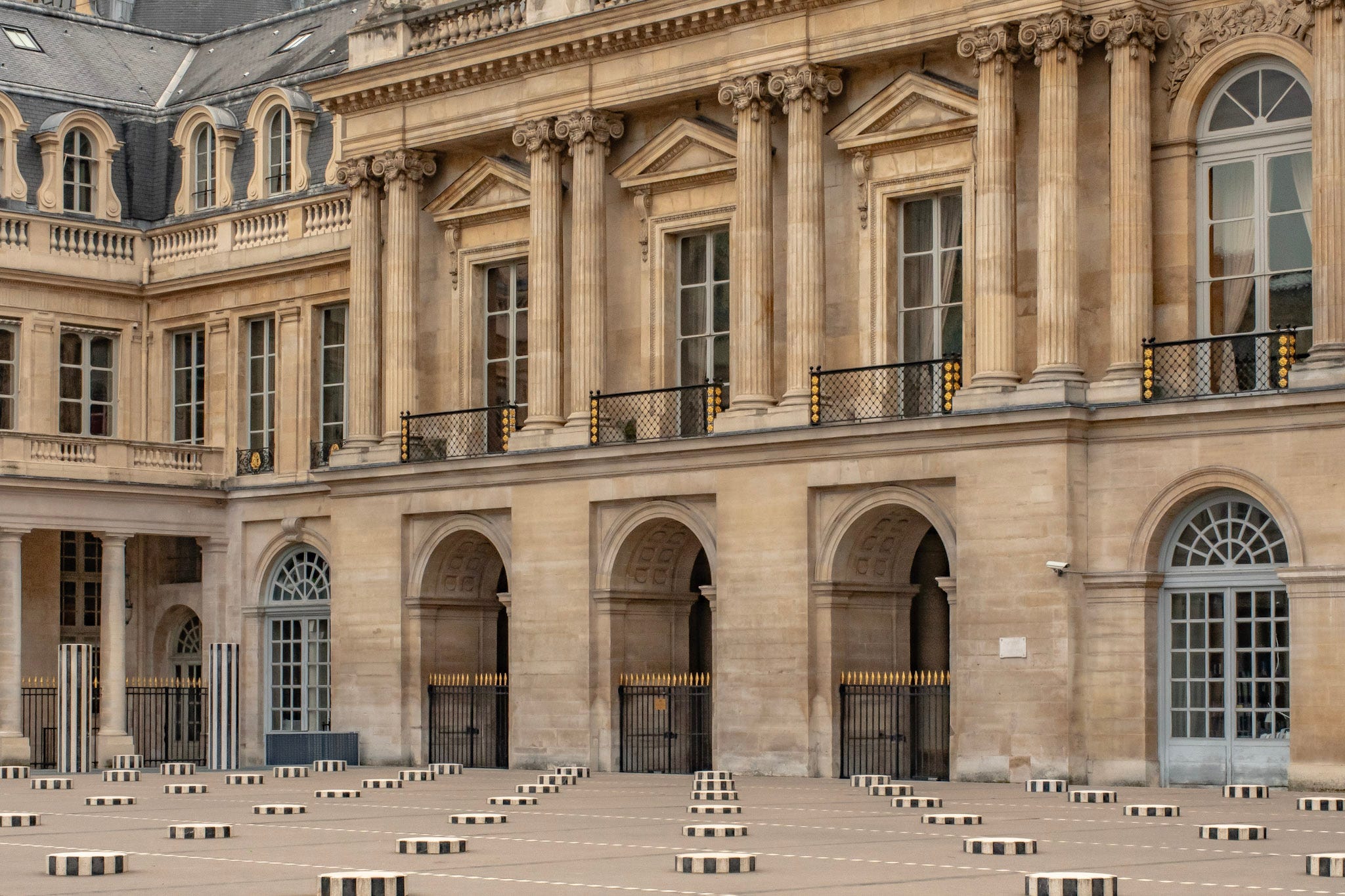
Just look at Les Deux Plateaux, better known as the Colonnes de Buren. The black-and-white striped columns rise and fall across the courtyard in perfect contrast to the symmetry of the palace itself. Children climb across them while photographers crouch low, trying to capture the geometry against the historic stone façades.
I love that tension between old and new here. Palais-Royal never feels frozen in time.
One of my favourite details are the benches surrounding the gardens. Many carry literary quotations and fragments from poets and writers, little pieces of language hidden throughout the park. You can spend an entire afternoon here simply wandering from bench to bench reading them.
I love the feeling that Paris life is unfolding around you.
The gentle movement beneath the arcades.
The sound of gravel beneath footsteps.
People lingering over lunch at Café du Théâtre or settling into an outdoor table at Le Nemours.
At the north end of the gardens sits Le Grand Véfour, one of the most historic restaurants in Paris, where figures like Julia Child once dined beneath gilded mirrors and painted ceilings.
Nearby to Palais-Royal
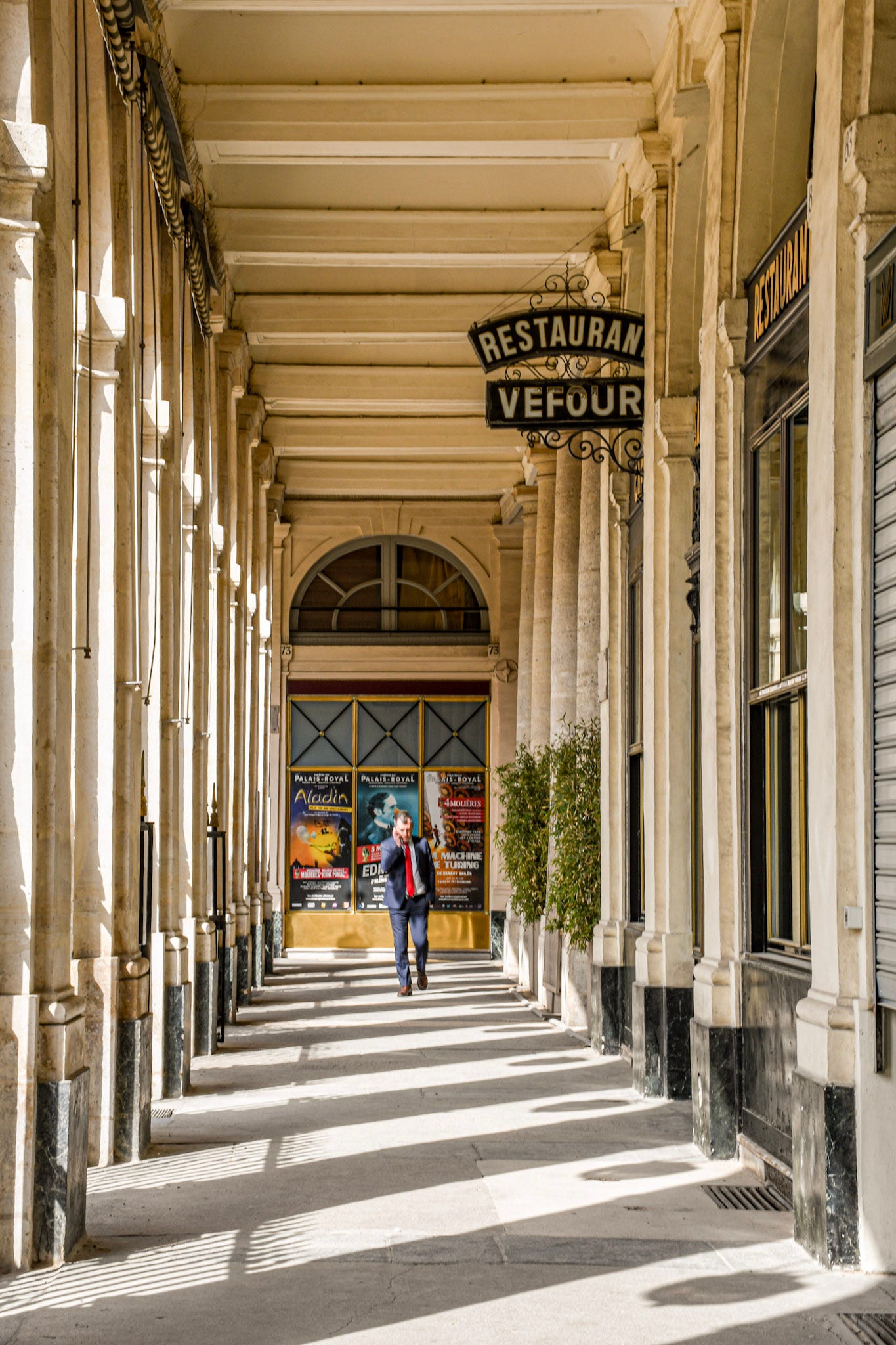
And if you continue beneath the arcades toward Passage des Deux Pavillons, the walk unfolds into another layer of old Paris altogether.
Galerie Vivienne and Passage Colbert are two of the few remaining covered arcades.
Glass ceilings, mosaic floors, old bookshops, historic cafés, and independent shops that always make Paris feel suspended somewhere between centuries.
Just nearby, Librairie Delamain still carries Colette’s books alongside photographs of French and well-known writers hanging on the walls.
Places like this remind me that Paris has always belonged as much to writers and observers as monuments.
One Meaningful Moment Is Enough
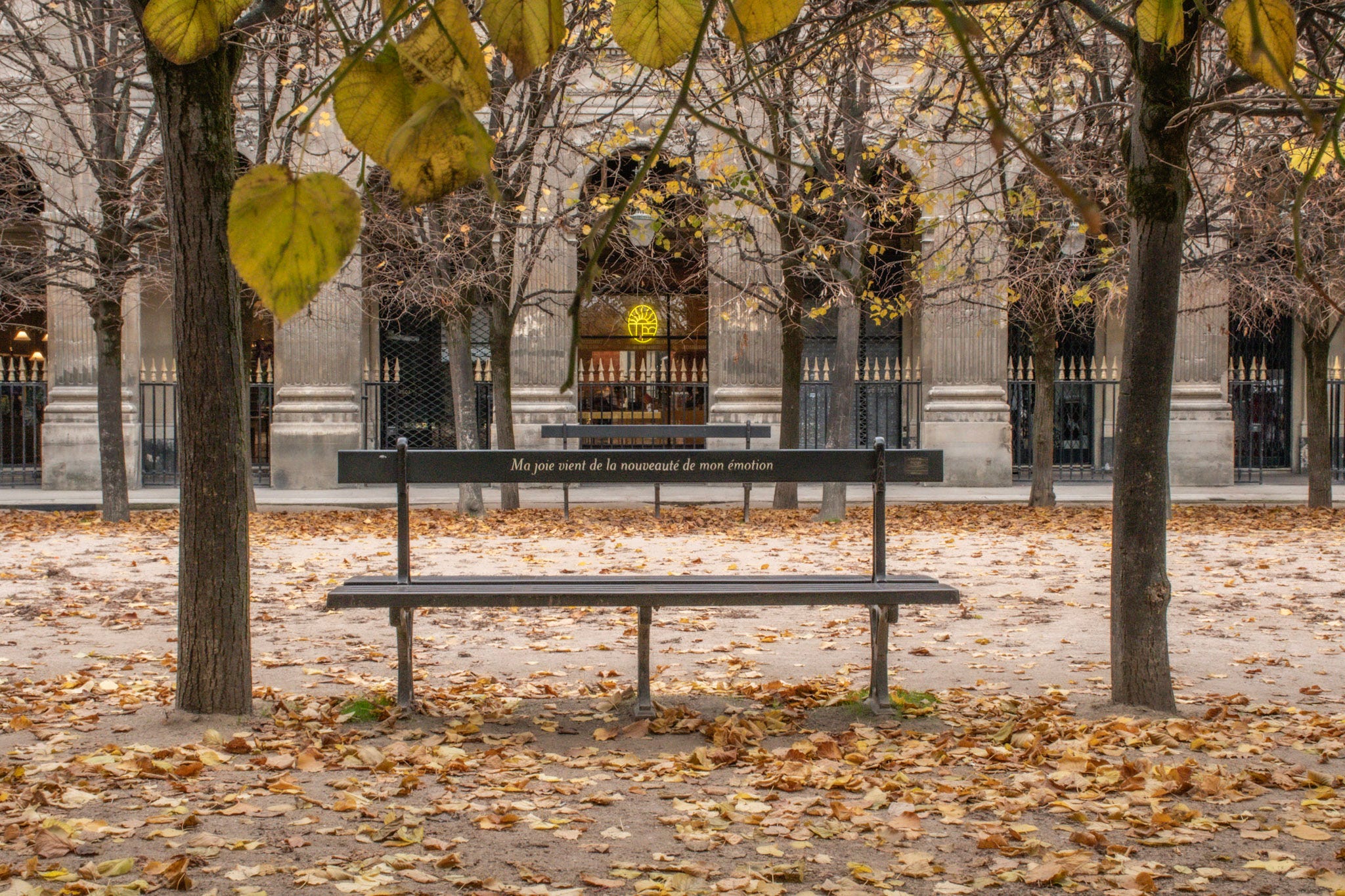
But honestly, one of my favourite things to do here is far simpler.
Find a chair.
Sit down.
Stay longer than you planned.
Because some of the best moments in Paris happen when you stop trying to experience everything at once.
This is what I mean when I talk about anchor moments.
Not necessarily the biggest thing you did that day. Just a meaningful moment, the day forms itself around.
And for me, the gardens of Palais-Royal have become one of those places every single time I return to Paris.
I build time like this into my trips on purpose. Because these are the moments I remember years later.
That idea became the foundation for something I created called The Unrushed Itinerary Method, a values-based philosophy and planning framework built around slower, more meaningful travel through Europe.
It’s designed for travellers who want their trips to feel less rushed and more connected to the places they’re experiencing.
I recently shared the full Method inside the Close Circle, where I share monthly gifts, planning tools, thoughtful resources, and deeper reflections on travelling Europe well.
But even if you never read another word from me, I hope you remember this: one meaningful moment really is enough for a good day in Paris.
And, come here.
I have been to Paris 3 times but have never been here. I will make on my next visit.